






What’s new from BigPanda: September 2026 Product Updates


A focus on the BigPanda platform value and foundational updates to AI Detection and Response
Most teams we talk to are fighting the same battle. The knowledge needed to make a decision already exists somewhere. However, it’s locked in a tool your team isn’t looking at, or in the head of the one engineer who’s seen this same type of incident before.
This month’s updates all chip away at that same problem. Here’s what’s new.
Accelerate L1 NOC triage with institutional knowledge
Biggy is now in the BigPanda AI Detection and Response console
L1 NOC teams can now chat directly with Biggy inside the AI Detection and Response console. If you ask about the incident in front of you, Biggy will surface historical context, postmortems, and resolution paths. It pulls that knowledge straight from the AI Incident Assistant, without requiring you to open new tabs or log in.
Today, an L1 operator’s context is limited to what’s visible in the incident itself, such as alerts from observability and service desk tools, all correlated into a single view. This is useful, but it’s not the full picture. Biggy adds the missing pieces: the accumulated knowledge of every past incident and its resolution, available the moment you ask, in plain language.
Operators can resolve more incidents on the first touch, and MTTR comes down. Fewer incidents need to escalate past L1 at all.
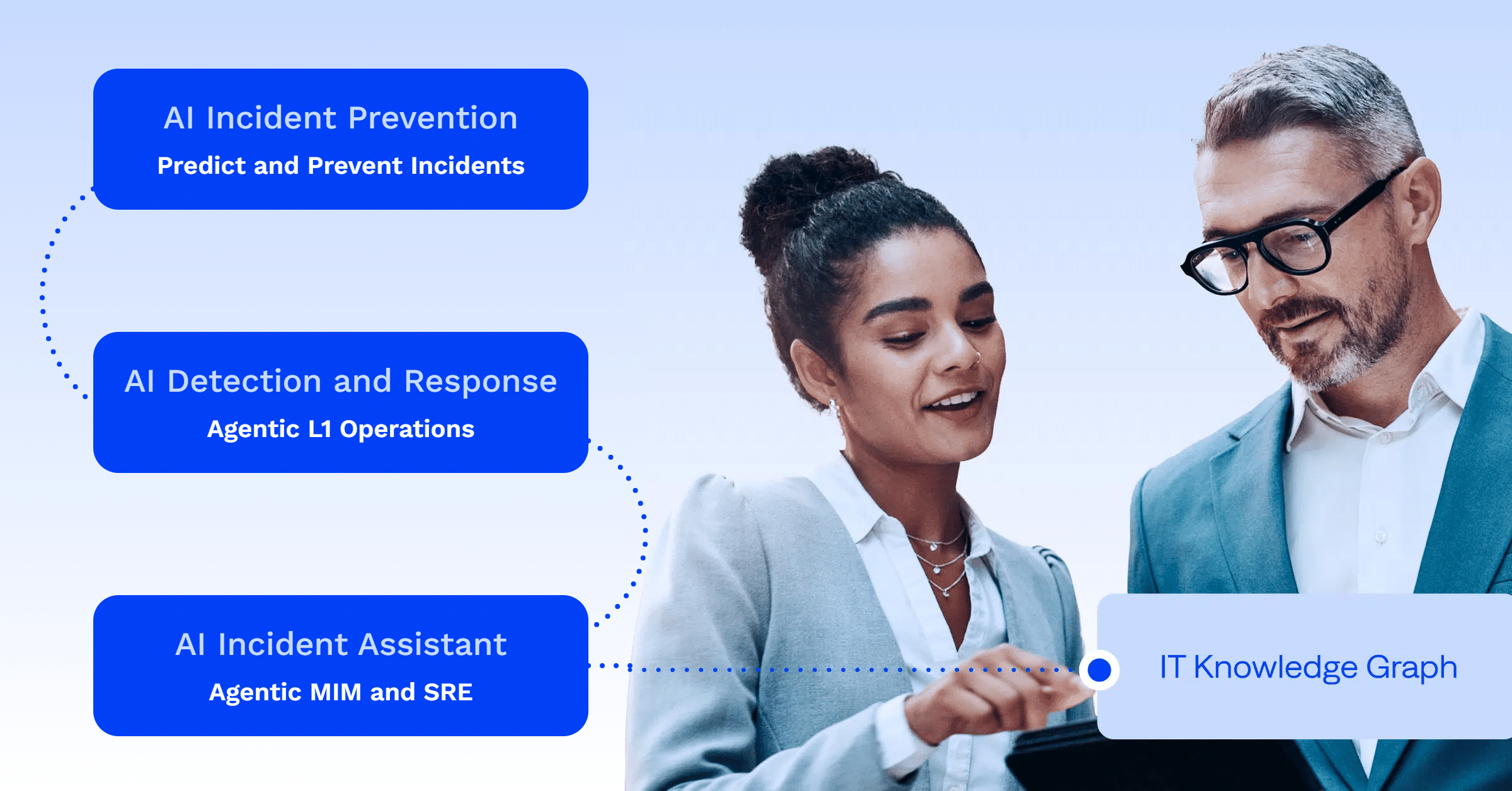
This is now generally available to customers with both AI Detection and Response and the BigPanda AI Incident Assistant.
Investigate and resolve faster
AI Detection and Response to AI Incident Assistant escalation handoff
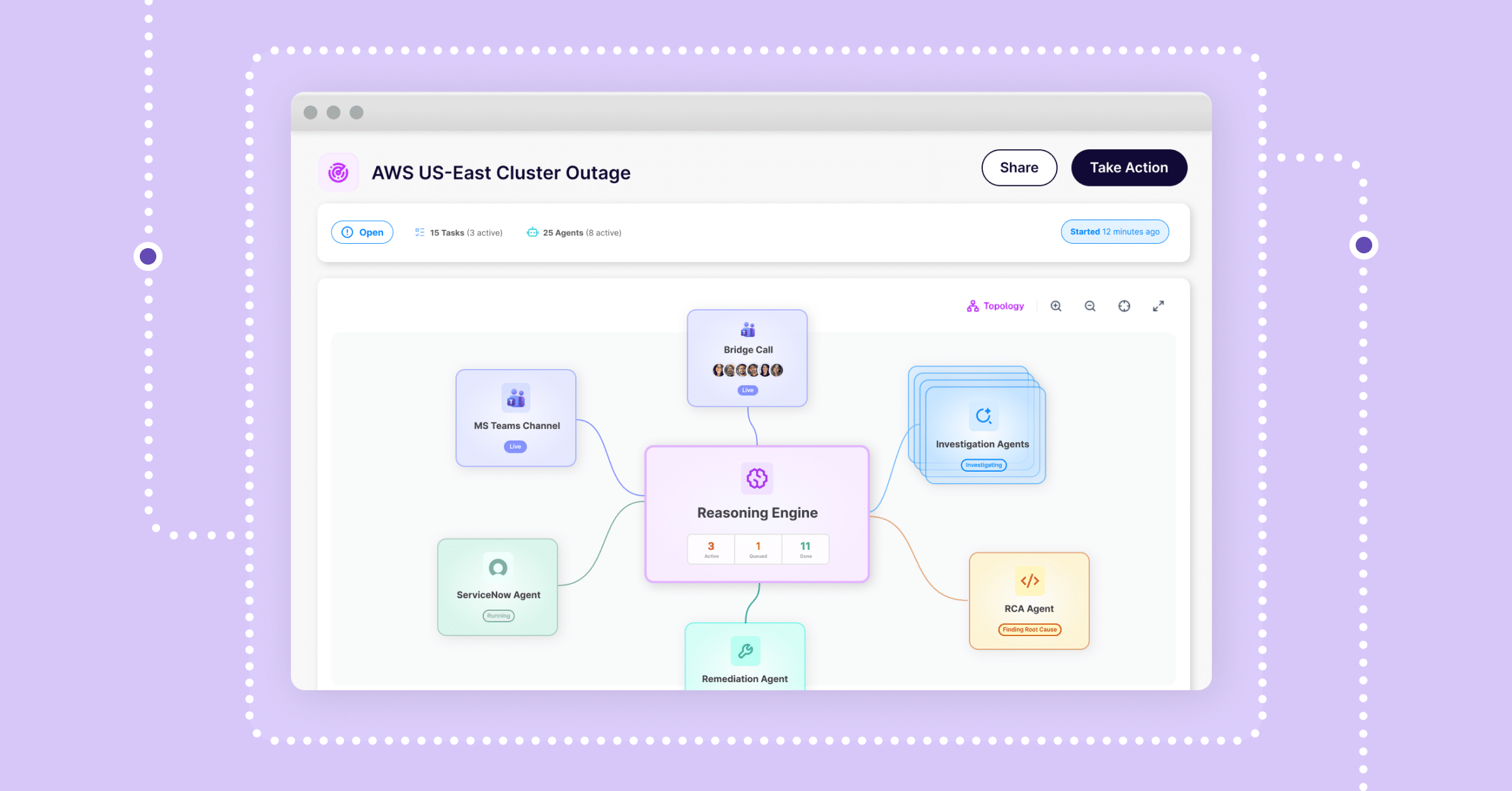
Here’s the scenario this update is built for. AI Detection and Response is triaging an incident, and determines it is major. That judgment call doesn’t just sit in a triage recommendation anymore. It becomes the next step an operator can act on immediately, or one that the L1 Agent can act on autonomously.
The incident escalates into the AI Incident Assistant, carrying everything AI Detection and Response has already gathered. A Slack or Microsoft Teams channel containing the full context surrounding the incident opens automatically.
For SRE and L2/L3 teams, that changes what an escalation actually costs them. The expensive part of most escalations isn’t the incident. It’s starting over: rebuilding a timeline, re-asking questions someone already answered. This handoff removes that step. Responders arrive already caught up and move straight to resolution.
This will be available later this month and requires both AI Detection and Response and AI Incident Assistant.
Gain additional insights with BigPanda Analytics
BigPanda Analytics replaces our previous analytics experience with something built natively into the platform. Now, you can ask a question in plain language and get an answer, without requiring a dashboard. Additional insights can be found in six preconfigured dashboards, ready on day one and built from the integrations and data already in your environment. If your organization requires a customized dashboard, you can build one.
BigPanda Analytics now refreshes twice as fast, keeps your data in-platform, and removes the tag limit. The new experience opens to everyone starting September 8, 2026, and existing customers will continue to have access to their current Analytics until November 16.
Jira Service Management integration
The BigPanda app for Jira Service Management, available on the Atlassian Marketplace, now delivers more context directly into the JSM ticket. This includes alert tables, AI-generated incident analysis, and field mapping. It matches our existing Jira app feature for feature, including status sync and bidirectional resolve.
For L1 NOC teams running JSM as their ITSM, now everything BigPanda knows about an incident lives inside the ticket itself, and both systems stay in sync. No more switching screens to piece the story together.
This is now generally available to every organization.
Reach out to see the latest BigPanda updates in action
We’ve got more in the pipeline across the platform, and we’ll keep sharing it here as it lands. In the meantime, reach out to your BigPanda account team with questions about any of these, or to see them for yourself.
Five key takeaways from this blog
- Biggy is now embedded in the AI Detection and Response console. L1 NOC operators can chat with Biggy directly during triage to surface historical context, postmortems, and resolution paths from AI Incident Assistant without requiring new tabs or logins. It’s now generally available to customers with both products.
- Escalations no longer mean starting over. A new handoff from AI Detection and Response to AI Incident Assistant carries the full incident context into escalation and automatically opens a Slack or Microsoft Teams channel, so SRE and L2/L3 responders arrive already caught up. This lands later this month.
- BigPanda Analytics is a new, fully native analytics experience. Ask questions in plain language, start with six preconfigured dashboards on day one, and benefit from twice-as-fast refreshes, in-platform data, and no tag limits. It opens to everyone on September 8, 2026, with the legacy experience available through November 16.
- The Jira Service Management integration now brings full incident context into the ticket. Alert tables, AI-generated incident analysis, and field mapping live inside JSM, with feature parity to the existing BigPanda Jira app.
- Every update targets the same core problem: unlocking institutional knowledge. Whether it’s past incident resolutions, escalation context, or analytics data, this month’s releases are about putting the knowledge your team already has where decisions actually get made to reduce MTTR and first-touch escalations.