






Uncover the impact
of cross-domain
incidents
BigPanda automatically clusters related incidents across domains to surface root causes before triage even starts.

Gain a full understanding of interrelated IT incidents
Understanding incident relationships across shared infrastructure is time-consuming and a manual process. BigPanda Incident Correlation clusters related incidents, providing cross-domain visibility and explainability for faster resolution.
See the full blast radius of every incident
Incident correlation automatically groups all active incidents that share a root cause or dependency into a single cluster. Get an instant, ecosystem-wide view of what’s happening before investigation even begins.


Accelerate root cause analysis
BigPanda draws on topology data, CMDB relationships, and historical runbooks to uncover dependency-driven connections that rule-based systems miss. The platform provides plain-English AI summaries that explain what’s happening, related issues, and where to focus.
Uplevel L1s with senior engineer context
Give every L1 operator the cross-domain context that once lived only in senior engineers’ heads. Automatically surface incident relationships, accurately prioritize, and make faster escalation decisions, all within SLA windows.

FAQ
What is incident correlation?
Incident correlation automatically clusters active incidents that share a root cause or infrastructure dependency. Using AI, it reveals hidden cross-domain relationships and surfaces the likely root cause togive operators a unified view of a major issue before triage begins.
How is incident correlation different from alert correlation?
Alert correlation groups noisy monitoring alerts into incidents within a single domain. It is rules-based and designed primarily for noise reduction. Incident correlation gives greatly enhanced capabilities by identifying relationships between active incidents across domains, teams, and shared infrastructure, without predefined rules and without disrupting existing alert correlation.
How does incident correlation help SRE teams?
Incident correlation gives SRE teams cross-domain visibility across applications, services, and shared infrastructure. This helps SREs identify the likely root cause of incidents and opportunities to automate processes and build reliable systems.
How does incident correlation help L1 teams?
Incident correlation helps L1 operators by giving themthe full blast radius already mapped when they arrive at triage. Operators know which active incidents are related, the likely root cause, and what actions to take first. This enables L1 operators to handle complex, cross-domain incidents independently, reducing unnecessary escalations and improving SLA compliance.
Check out more related content
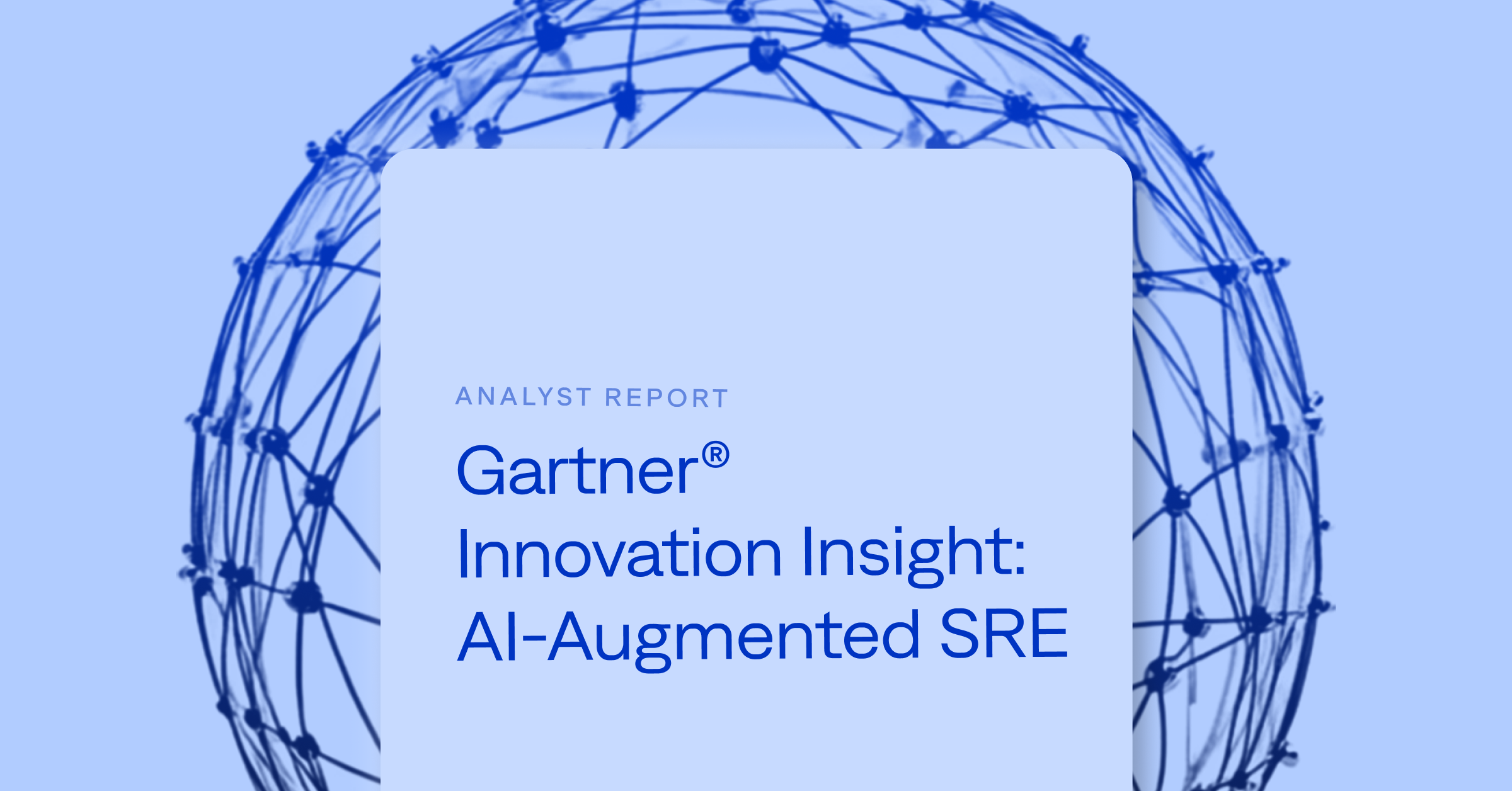
ANALYST REPORT
Gartner report: Innovation Insight: AI-Augmented SRE, 2025


- PlatformPlatform
- Agentic IT Operations
- Platform Overview
- AI Incident Prevention
- AI Detection & Response
- AI Incident Assistant
- IT Knowledge Graph
- BigPanda AIOps
- BigPanda Core
- Advanced Insight
- Biggy AI
- Rebranding Matrix
- Integrations
- Security & Compliance
- Features
- Detection
- Open Integration Hub
- AI Detection
- Diagnosis
- Service Desk Correlation
- Suggested Actions
- Incident Correlation
- Triage
- Automated Incident Triage
- Root Cause Analysis
- Similar Incidents
- Prevention
- Change Risk Management
- Problem Management
- Solutions
- Automating L1 Detection & Response
- Empowering Experts with AI Assistance
- Predicting & Preventing Disruptions
- Personas
- IT operations
- Incident management
- IT service management
- Site Reliability Engineering
- Industries
- Financial services
- Manufacturing
- Insurance
- Media and entertainment
- Managed services
- Airlines
- All industries
