






What is alert fatigue?
Alert fatigue refers to the desensitization that IT and operations teams experience when monitoring tools generate so many notifications that responders begin to ignore, mute, or miss them. It is one of the most common operational failure modes in modern ITOps, and it directly increases mean time to detect (MTTD), mean time to resolve (MTTR), and the risk of major incidents slipping through unnoticed.
Also known as alarm fatigue, notification fatigue, or alert overload.
Why alert fatigue matters
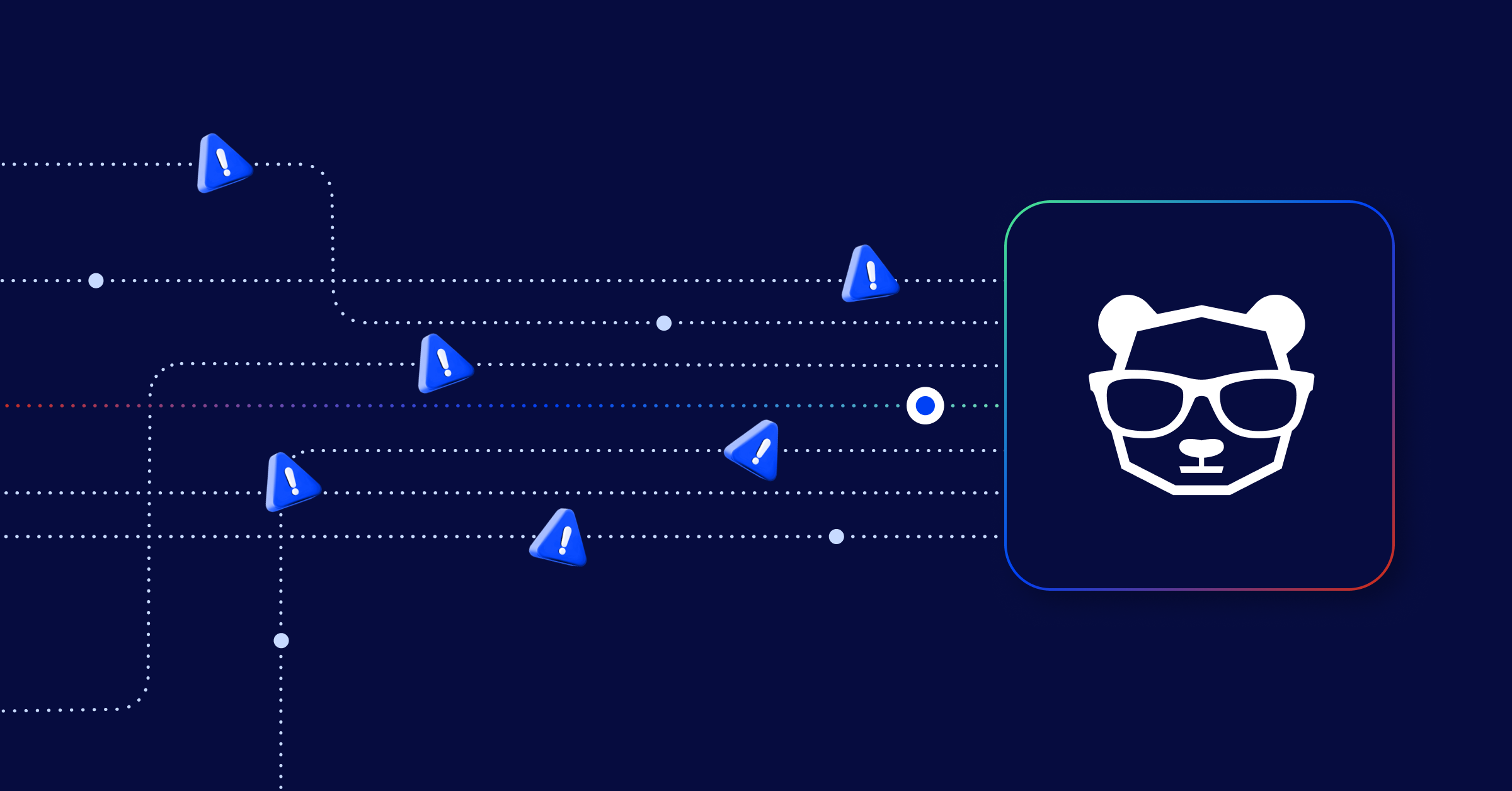
Most enterprise IT environments run dozens of monitoring, observability, and security tools across infrastructure, applications, networks, and cloud services. Each of those tools fires alerts on its own thresholds, and very few of them coordinate. The result is a steady flood of low-context notifications hitting the same on-call engineers, NOC analysts, and service desk queues.
When alert volume outpaces the team’s ability to triage, responders start filtering by intuition. They mute noisy channels, ignore repeat offenders, and develop blind spots around tools that cry wolf too often. The cost shows up in three places: missed incidents that should have been caught early, slower response when responders finally engage, and burnout in the people expected to stay vigilant across thousands of alerts per shift.
Alert fatigue is not a personal failing. It is a systems problem caused by tooling sprawl, weak correlation, and the absence of an intelligent layer between raw signals and human responders. Treating it as such is the first step toward fixing it.
What causes alert fatigue
Alert fatigue almost always traces back to a small set of structural problems in the monitoring and incident response stack:
- Tool sprawl: Each monitoring tool emits alerts in its own format, severity scale, and language, with no shared context across them.
- Duplicate alerts: A single underlying issue, such as a database slowdown, produces hundreds of related alerts from infrastructure, APM, and synthetic checks.
- Poorly tuned thresholds: Static thresholds set during initial deployment go stale as workloads change, generating false positives that never get cleaned up.
- Missing correlation: Related alerts arrive as isolated events rather than being grouped into a single incident, forcing humans to connect them.
- No suppression of known noise: Maintenance windows, expected flapping, and known-benign patterns are not filtered out before reaching responders.
How modern teams reduce alert fatigue
Reducing alert fatigue is less about sending fewer alerts and more about sending the right ones. Modern ITOps and AIOps approaches focus on adding intelligence between raw signals and human responders:
- Event normalization: Ingest alerts from every monitoring, observability, and ITSM tool and convert them into a common schema with consistent severity and identity attributes.
- Correlation and deduplication: Group related alerts into a single incident using shared topology, timing, and pattern signals so a hundred symptoms become one actionable record.
- Noise suppression: Automatically suppress known-benign patterns, flapping signals, and alerts inside scheduled maintenance windows before they reach a queue.
- Enrichment and context: Attach ownership, service impact, runbook links, and change history to incidents so responders do not have to hunt for them.
- Agentic triage: Use AI agents to assess each incident, surface probable cause, and either route it or resolve it autonomously when confidence is high.
Reactive alerting vs. AI-powered alert intelligence
The contrast between a traditional alert pipeline and a modern, AI-driven one is sharp. The first treats every alert equally and pushes the sorting work onto humans.
The second compresses the signal into incidents before a human ever sees them.
| Dimension | Reactive alerting | AI-powered alert intelligence |
|---|---|---|
| Volume reaching responders | Every alert, in raw form | Compressed into a small number of correlated incidents |
| Context | Tool-by-tool, fragmented | Enriched with topology, ownership, and change data |
| Triage | Manual, repeated per alert | Automated grouping and prioritization |
| Noise handling | Mute by hand or live with it | Suppressed automatically based on patterns and rules |
| Responder experience | Constant interruption, low signal | Fewer pages, each with clear context and next steps |
Comparison of Reactive alerting and AI-powered alert intelligence
Alert fatigue use cases in IT operations
Reducing alert fatigue affects nearly every part of an ITOps practice. The most common scenarios:
- NOC consolidation: Network operations centers replace tool-by-tool dashboards with a single incident feed, freeing analysts from chasing duplicate alerts.
- On-call rotation health: SRE and platform teams reduced the number of pages per shift, protecting sleep, reducing burnout, and improving retention.
- Major incident detection: Correlation surfaces high-impact incidents earlier because real signals are no longer buried in noise.
- Service desk efficiency: ITSM queues stop filling with low-value tickets generated by duplicate or flapping alerts.
- Change-related incidents: Alerts that follow a change are automatically linked back to the change, so responders see cause and effect rather than a wall of symptoms.
Common misconceptions about alert fatigue
- It is just a tooling problem: Tooling makes it worse, but the root cause is the absence of a correlation and prioritization layer between tools and humans.
- Turning off alerts fixes it: Muting alerts trades fatigue for blind spots. The goal is fewer, better alerts, not fewer signals overall.
- Only large enterprises suffer from it: Mid-sized teams with a handful of monitoring tools hit alert fatigue quickly because they have less headcount to absorb the load.
Frequently asked questions about alert fatigue
What’s the difference between alert fatigue and alert noise?
Alert noise describes the volume of low-value alerts a system produces. Alert fatigue describes the human and operational consequences of being exposed to that noise over time. Noise is the input, fatigue is the outcome.
How do you measure alert fatigue?
Common indicators include alerts per responder per shift, ratio of acknowledged-to-actioned alerts, average time to acknowledge, and the share of alerts that never get triaged. Trends in on-call survey scores and turnover among NOC and SRE staff are also strong signals.
Can AI reduce alert fatigue?
Yes. Event correlation, machine learning, and agentic AI are designed to compress raw alert streams into a much smaller set of actionable incidents. They handle deduplication, noise suppression, and enrichment automatically, which is what removes the cognitive load that causes fatigue.
Why is alert fatigue dangerous for SLAs?
When responders cannot trust their alert stream, they slow down on every page or skip some entirely. That lengthens MTTD and MTTR, increases the risk of breaching service-level agreements, and raises the likelihood that a real major incident will be missed in the noise.
Is alert fatigue the same as on-call burnout?
They are closely related but not identical. Alert fatigue is a specific cause of on-call burnout and one of the most common. Burnout can also stem from poor rotation design, lack of staffing, or unclear ownership, but persistent alert overload is almost always part of the picture.
See also
Check out more related content


PLATFORM
BigPanda Agentic ITOps
See how BigPanda uses agentic AI in IT operations.