






Actionable alerts allow IHG to reach 99.8% availability of internal systems.

“With BigPanda, we have reached an availability number of 99.8%, which is the best on record we have at IHG for our internal systems.”
Alvin Smith
Vice President, Global Infrastructure and Operations, InterContinental Hotels Group (IHG)

InterContinental Hotels Group (IHG) is a worldwide hotel company. It has 18 brands and over 6,000 hotels. These hotels offer about 288,000 rooms.
Challenges
- Rapid growth increased operational complexities across 6,000+ hotels.
- Third-party owners relied on siloed monitoring solutions, causing low availability and poor MTTR.
- Expensive service-impacting outages negatively affected business availability.
IHG franchises, leases, manages, and owns more than 6,000 hotels in over 100 countries. Over the past few years, IHG has grown a lot. They built new hotels, made acquisitions, and invested in technology. These efforts helped them provide great experiences for their guests. IHG has over 1,800 hotels in development. It is important to keep online applications and services running well. This helps IHG meet customer expectations when they interact with the brand.
The Unified Command Center (UCC) is IHG’s main group for monitoring and alerts. They focus on the performance and availability of important applications and services for IHG hotels and corporate offices. When IHG chose to use a hybrid-cloud setup, it created a lot of new event and alert data. The adoption of DevOps methodologies also added an additional layer of IT complexity with a massive acceleration of siloed application and infrastructure event data.
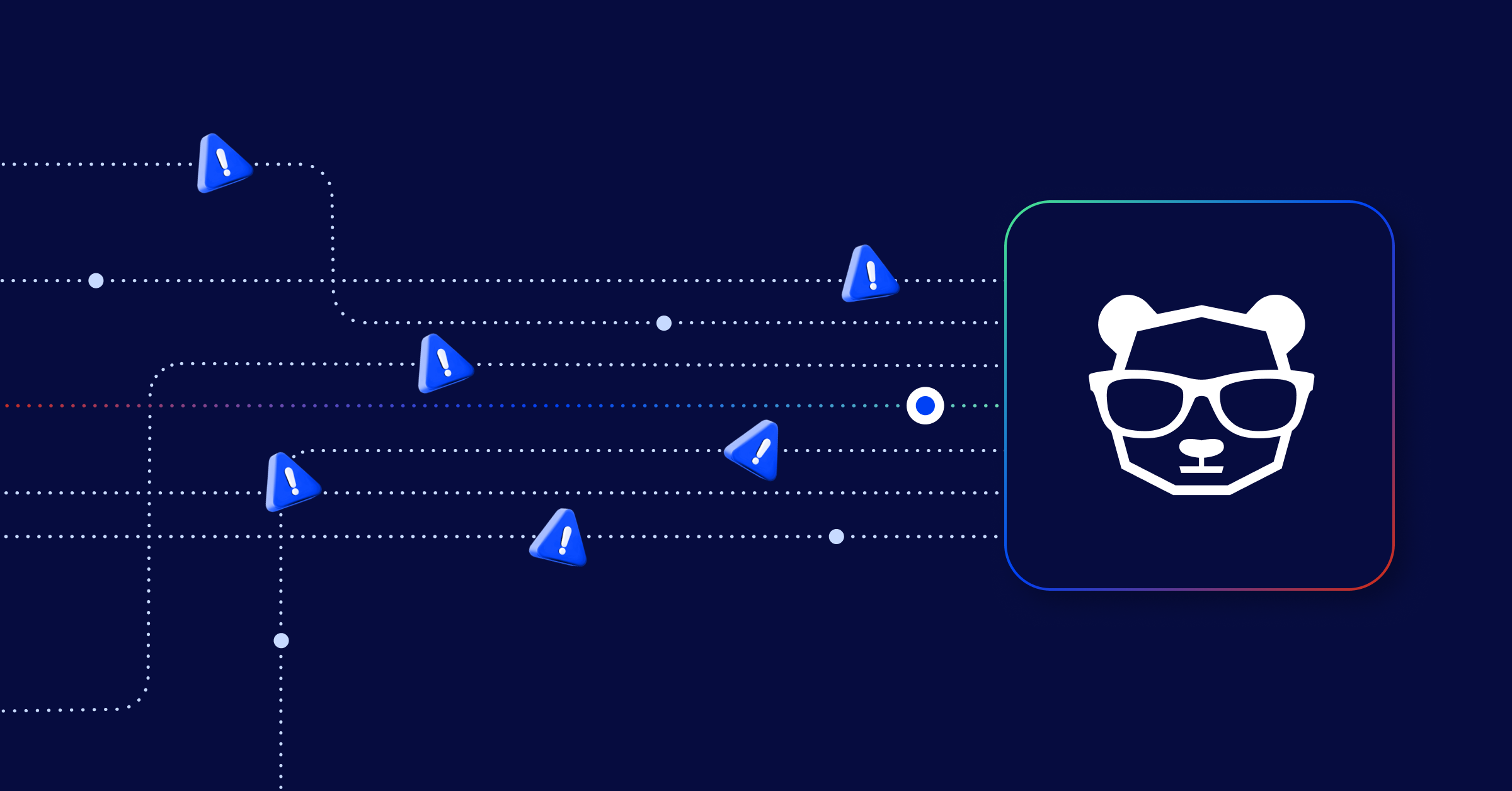
The UCC quickly faced too many events from their monitoring tools. This made it hard for them to see what was happening in their IT operations. It became hard to find important alerts among the noise of events. This led to IT incidents piling up and outages happening.
“Having these disparate systems increased our mean time to detect [MTTD],” explained Alvin Smith, vice president of global infrastructure and operations at IHG. “We have two measurements that are key for us: mean time to detect and mean time to resolve [MTTR]. Although MTTR is important, if we’re unable to identify that an event is taking place, then we’re at a tremendous disadvantage before we start troubleshooting an incident. We were faced with extended outages and significant impacts to our availability.”
Solution
IHG needed to improve the productivity of its UCC teams. They wanted to reduce the hassle of finding and managing operational issues.
Using BigPanda, IHG gained a complete view of its service operations. They combined events from separate monitoring tools into one central display. This removed the need to manually switch between separate tool consoles when responding to incidents.
BigPanda also reduced event noise. It does this by automatically filtering out false positives and harmless events. It adds context to the remaining events, turning them into useful alerts. This allowed the UCC to quickly focus on important alerts about incidents. They did this before outages happened and affected customers.
“Centralizing our operations with AIOps and BigPanda allowed us to have a much earlier MTTD, which gave us a head start to resolve operational incidents,” says Smith. “It all comes down to the availability of your services. And by leveraging AIOps, we can ensure the highest level of availability by making sure that we are aware of issues in our environment and are able to resolve them quickly. I’m proud that we achieved 99.8% availability in 2022—our best performance on record.”
Benefits
IHG succeeded in increasing the availability of important applications and services. They also reduced IT complexity. This helped keep costs down and team morale high.
Focusing on clear, actionable alerts instead of event data lowers the number of tickets created. It also reduces charges from their incident managed service provider (MSP). It also provides better visibility and budget planning when working with their MSP.
The UCC can handle more work by using its current resources. They can do this because they improve their internal processes and application designs.
“Our culture has changed,” says Smith. “Now, instead of us going out and trying to discover where there are shadow IT groups or isolated dashboards, our internal customers are coming to us. They’re asking us, ‘How do we integrate BigPanda?’”
“This collaboration takes advantage of the fact that we have identified standards around our IT operations using events and alerts. As new teams and tools come within our UCC, we’re able to have conversations with product owners to help them understand how beneficial it is for them to configure and develop their products and services into our standardized configurations leveraging BigPanda. It keeps our costs down from both a resource and operations management perspective.”