





Is your most expensive talent spending valuable time writing status updates?
A major incident can turn a highly skilled engineer into a coordinator, a search engine, and a status writer.
The work looks necessary in the moment. The cumulative effect is easy to miss: the people most needed to understand the failure spend their time repeating what others already know.
The bridge call became the operating system
An alert appears. Someone opens a dashboard. Someone searches the ticket history. Someone looks for a recent change and tries to identify the right service owner.
Then the bridge call starts.
People join from different teams and time zones. The situation is explained again. An executive needs an update. A customer-facing team needs another. The ticket, war room, and incident channel each become another place to copy the same facts.
Communication is necessary. Reconstructing the same context separately for every audience isn’t the same as resolving the underlying problem.
The hidden cost of duplicated work
When the service comes back, the manual work continues. Someone reconstructs the timeline from chat history and memory. Someone identifies what was checked and what was ruled out. Someone writes the postmortem and tries to turn the experience into a runbook.
The organization may learn during the incident, but the learning is often left in the people who were there or in a channel that’s difficult to use during the next response.
The cost isn’t only the duration of the outage, but also the expert attention spent coordinating, repeating, searching, and documenting instead of reasoning about the failure and improving the system.
The people doing this work are not inefficient. The process asks them to serve as the connective tissue between fragmented systems and teams.
Explore AI-assisted incident management → See how shared context can reduce repeated investigative work.
What changes when context moves with the investigation
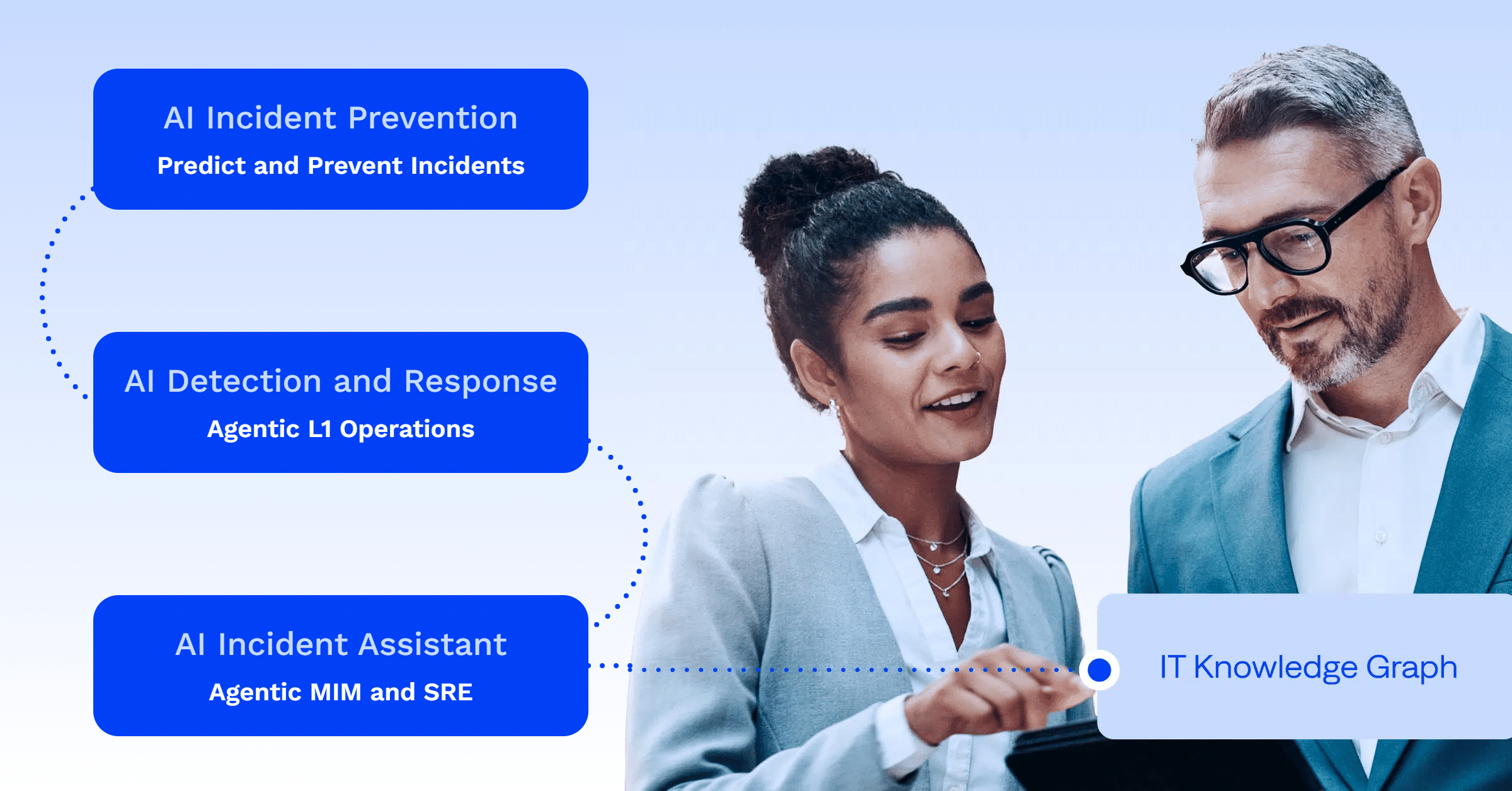
An agentic operating model changes the sequence.
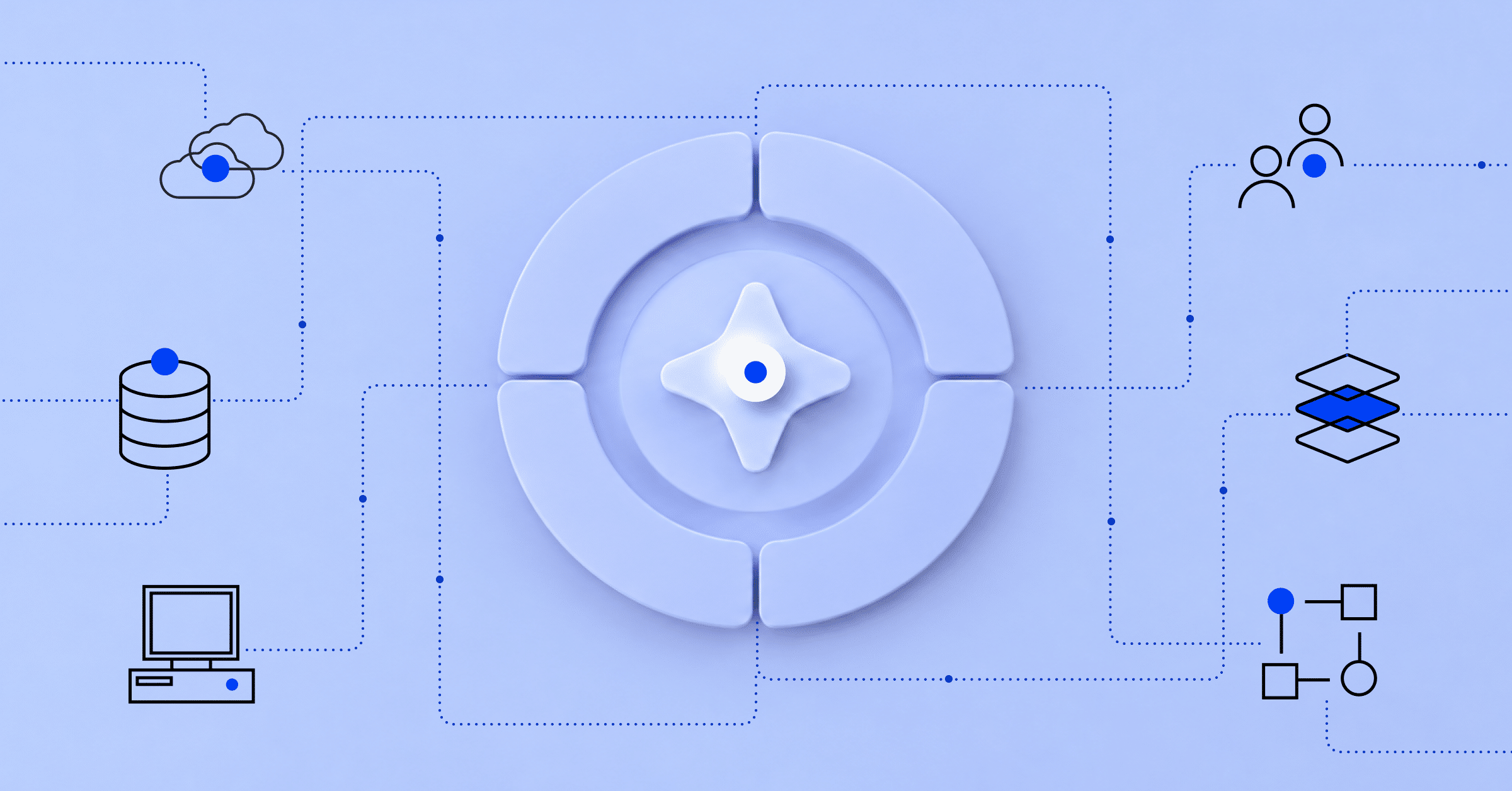
Agents can investigate in parallel, draw on a shared picture of the environment, apply known procedures, and preserve the paths already examined. When work moves to another person or agent, the investigation can move with it.
People still decide what the business can tolerate, handle novel situations, and own the consequences of high-impact decisions, but they don’t have to spend the incident acting as coordinators, search engines, and status writers by default.
The measure of progress isn’t a faster bridge call. It’s fewer duplicated searches, fewer repeated explanations, and more expert attention available for the failure itself.